5 data quality mistakes that undermine carbon reporting
Read time: 4 minutes

Read time: 4 minutes
Carbon reporting is increasingly important for businesses that want to understand their environmental impact, respond to customer requirements and support net zero goals.
However, the value of carbon reporting depends on the quality of the data behind it.
Even well-intentioned organisations can produce reports that contain gaps, inconsistencies or inaccuracies if the right processes are not in place. Poor data quality can make it harder to identify opportunities for improvement, track progress and communicate performance with confidence.
Carbon reporting is only as reliable as the information used to calculate emissions.
Accurate data helps businesses understand where emissions are being generated, prioritise reduction activities and make informed decisions. It also provides a stronger foundation for reporting to customers, stakeholders and supply chain partners.
Poor quality data can lead to incorrect assumptions, missed opportunities and reduced confidence in reported results.
Improving data quality does not necessarily mean collecting more information. It means ensuring the right information is accurate, complete and consistent.
Here are five common data quality mistakes that can undermine carbon reporting and what businesses can do to avoid them.
One of the most common challenges in carbon reporting is working with incomplete information.
Businesses may have good records for some activities, such as electricity use, but limited data for areas like business travel, waste management or purchased goods and services.
Missing information can result in an incomplete picture of environmental impact and make it difficult to identify where the greatest emissions occur.
A good starting point is to review available data sources and identify any significant gaps. Businesses should then develop a plan to improve data collection over time, focusing first on areas with the greatest potential impact.
Carbon reporting often involves gathering information from multiple departments, suppliers and systems.
Problems can arise when different teams use different reporting periods, measurement methods or data formats. This can create inconsistencies that reduce the reliability of emissions calculations.
For example, one department may report energy consumption monthly while another provides annual figures. Supplier data may also vary in quality and format.
Establishing clear reporting processes and consistent data requirements can help improve accuracy and make future reporting easier to manage.
Data errors can occur for many reasons, including manual entry mistakes, duplicated records or incorrect assumptions.
Without appropriate checks, these errors can influence carbon calculations and affect reporting outcomes.
Businesses should build verification processes into their reporting activities. This may include reviewing unusual figures, comparing data against previous reporting periods and confirming information with suppliers or service providers where necessary.
Regular checks can improve confidence in reported results and help identify issues before they become embedded in reporting processes.
For many organisations, a significant proportion of emissions can sit outside direct operations.
Purchased goods and services, transportation, logistics and other supply chain activities can all contribute to overall environmental impact.
Businesses sometimes focus heavily on operational data while overlooking emissions linked to suppliers and external activities.
While supply chain data can be more challenging to collect, understanding these impacts is becoming increasingly important as customers and larger organisations seek greater visibility across value chains.
Engaging with suppliers and improving data collection processes can help businesses build a more complete picture of emissions over time.
Carbon reporting should not be viewed as a task that is completed once and then forgotten.
Environmental performance changes over time as operations, suppliers, products and business activities evolve. Reporting processes also improve as organisations gain experience and access to better information.
Businesses that treat reporting as an ongoing process are often better placed to identify trends, measure progress and improve decision-making.
Regular reviews can help strengthen data quality and ensure reporting continues to support wider sustainability objectives.
Improving data quality does not have to be complicated.
Practical steps include:
Taking a structured approach can help businesses build confidence in their reporting and support more effective carbon reduction planning.
Businesses may need to review their reporting processes if they experience:
These issues can indicate underlying data quality challenges that need to be addressed.
Strong carbon reporting starts with strong data.
Businesses do not need perfect information from day one, but they do need a clear understanding of where data comes from, how it is managed and where improvements can be made.
By focusing on data quality, organisations can produce more reliable carbon reports, identify meaningful opportunities for emissions reduction and make better-informed sustainability decisions.
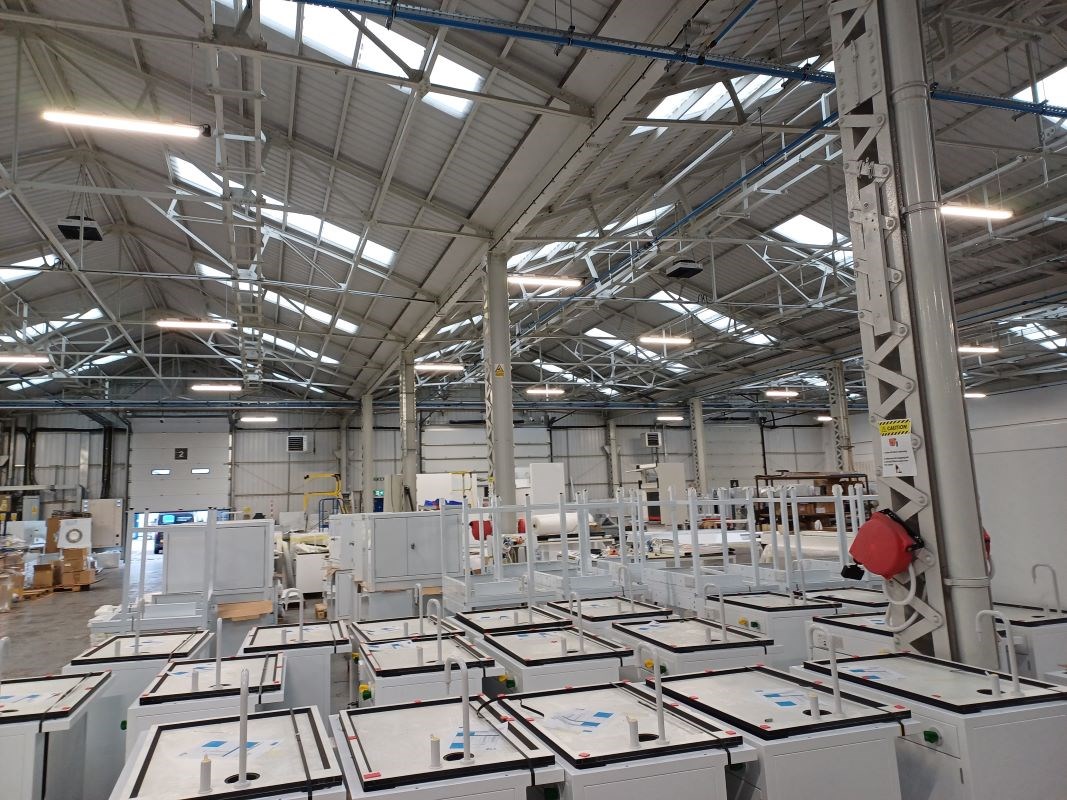
Rochdale-ased clean air technology developers teamed up with Green Economy to devise methodologies that worked for their ESG goals as well as those of their clients.
Many businesses understand the importance of carbon reporting but are unsure how to improve the quality of the information they collect.
Green Economy supports organisations looking to better understand their environmental impact and take practical steps towards decarbonisation.
By providing businesses with expertise, support programmes and trusted solutions, Green Economy helps organisations build stronger foundations for carbon reduction and sustainability planning.
Improving data quality can help businesses make more confident decisions, demonstrate progress and turn carbon reporting into a valuable tool for long-term environmental improvement.

We are a social enterprise building a more sustainable economy, powered by local suppliers. We help organisations leverage sustainability to grow, while helping green tech and environmental services business win new business in their local area.
If you're interested in exploring how we can help your business grow, get in touch and one of our expert advisors will be happy to help.

12 September 2026
For many businesses, reducing carbon emissions means looking beyond their own operations.
28 April 2026
Choosing sustainable suppliers means looking beyond price to assess environmental performance, resilience, credibility, and long-term fit.

17 February 2026
An explanation of UK net zero grants and funding options, including eligibility considerations, regional differences and how funding fits into wider decarbonisation planning.
Share
Written by
