Adapting to Wildfire: A Practical Guide for Businesses
Read time: 3 minutes
Read time: 3 minutes
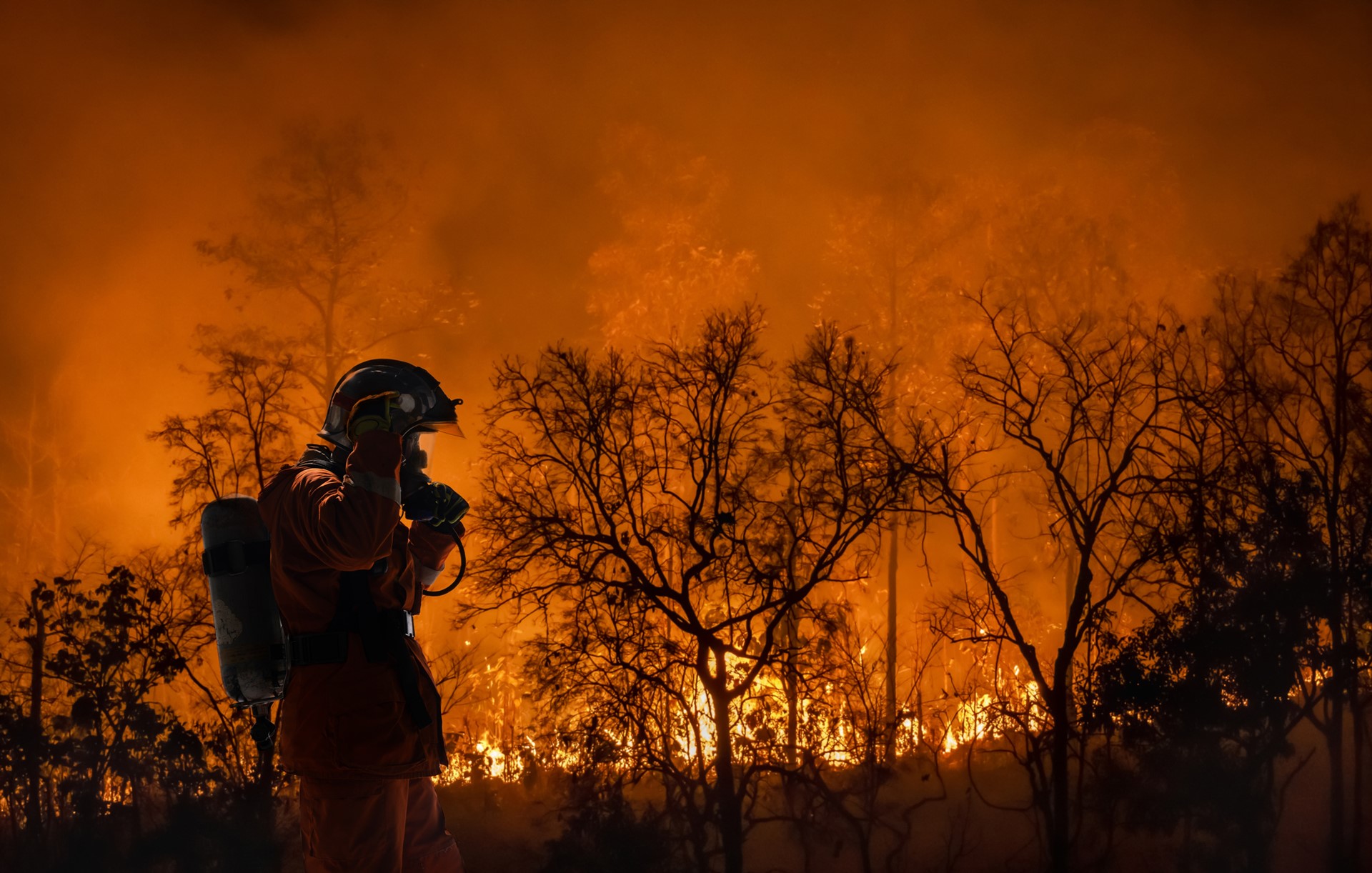
Wildfire is no longer a risk confined to southern Europe or warmer climates around the world. Recent fires on Saddleworth Moor, at Rivington Pike, and in South Wales have demonstrated that moorland and upland landscapes can ignite and spread with alarming speed during dry periods.
For businesses located near grassland, heathland or unmanaged vegetation, the threat is real and growing – with the consequences extending far beyond the immediate danger of the fire itself. We’ve laid out this practical guide to help businesses prepare for the impacts of wildfires and minimise the effect on your operational continuity.
The first step is to understand your business’ exposure to wildfires, based on location and surroundings. Sites near open moorland, scrubland, or even overgrown railway embankments are significantly more vulnerable to rapid fire spread. Embers can travel considerable distances, meaning that even far-off fires can threaten buildings, storage areas and critical infrastructure. The condition of surrounding land can also make a difference, with dry or dead vegetation acting as fuel. Poorly maintained boundaries can greatly increase the likelihood of fire reaching your premises.
The risk to business extends beyond the direct threat of fire, too. A fire may force temporary site closure or evacuation for the safety of staff, bringing production to a halt. Even if your site escapes direct damage, transport routes may be closed, supply chains interrupted, and access for employees, customers and deliveries compromised. Evacuation orders can last for extended periods while emergency services manage incidents and ensure areas are safe.
As with all risk assessments, start by examining your site-level wildfire risk.
Consider how these risks might be protected or producing a plan to quickly relocate them in the event of an escalating threat.
Managing vegetation and reducing fuel load is one of the most effective measures you can take. Remove dry or dead vegetation, clear accumulated leaf litter, and dispose of combustible waste materials regularly. Maintain a defensible space around buildings by keeping grass short, pruning back overhanging branches, and creating fire breaks where possible. Poorly managed vegetation significantly increases the speed and intensity of fire spread, so routine grounds maintenance should be treated as a risk reduction activity as well as an aesthetic concern.
Your business will likely already have its own set of fire safety policy and procedures. Many standard plans address accidental internal fires but fail to account for an external fire approaching the site boundary. Update your plans to explicitly account for wildfires, including evacuation procedures, shutdown protocols for plant and equipment, and the steps required to check and resume operations once the danger has passed. Consider how you would operate if the site were inaccessible for days, or even weeks in the case of an emergency.
Strengthening emergency response capability is an important part of putting these policies in place. Install and maintain appropriate fire extinguishers and suppression systems and ensure that access to water is clearly marked and unobstructed. Develop and rehearse a wildfire-specific emergency plan, as you would a regular fire drill, so that all staff know their roles and the sequence of actions to take when a threat emerges.
Train your staff to understand the specific nature of wildfire risks – how it spreads, how quickly conditions to change, and the early warning signs to look out for. During high-risk periods, monitor Met Office weather alerts and local fire service warnings, and be prepared to activate your plan at short notice.
Finally, review your insurance and financial resilience. Confirm that your policy covers wildfire damage and business interruption and speak to your broker about any potential cost implications or coverage restrictions. The time to discover a gap in your cover is not when the moorland is already burning.
Green Economy offers climate adaptation advice and guidance for businesses - our specialist consultants will work with you to identify risks, plan preventative measures and insulate your business against the impacts of extreme weather events. If you'd like to explore how we can help your business, get in touch.

We are a social enterprise building a more sustainable economy, powered by local suppliers. We help organisations leverage sustainability to grow, while helping green tech and environmental services business win new business in their local area.
If you're interested in exploring how we can help your business grow, get in touch and one of our expert advisors will be happy to help.

12 September 2026
For many businesses, reducing carbon emissions means looking beyond their own operations.

28 April 2026
Choosing sustainable suppliers means looking beyond price to assess environmental performance, resilience, credibility, and long-term fit.
17 February 2026
An explanation of UK net zero grants and funding options, including eligibility considerations, regional differences and how funding fits into wider decarbonisation planning.

Expert support to strengthen your NHS tender readiness.

Get impartial end-to-end support when investing in
renewables and energy efficiency technologies.

Use our free Carbon Calculator to get an accurate picture of
your organisation's carbon footprint.
Share
Written by
