Demystifying LED lighting – understanding green tech
Read time: 3 minutes
Read time: 3 minutes
Switching to LED lighting is one of the simplest yet powerful steps businesses can take on the journey to net zero. Traditional lighting, whether incandescent, halogen, or fluorescent, consumes far more electricity than necessary, and that wasted energy translates directly into higher bills and unnecessary carbon emissions.
LEDs, by contrast, are designed to be highly efficient, often using up to 80% less electricity while delivering the same level of brightness. Their long lifespan — often tens of thousands of hours compared to just a thousand for older bulbs — means fewer replacements, less waste, and lower maintenance costs. For a small business, this is a quick win that combines financial savings with environmental responsibility.
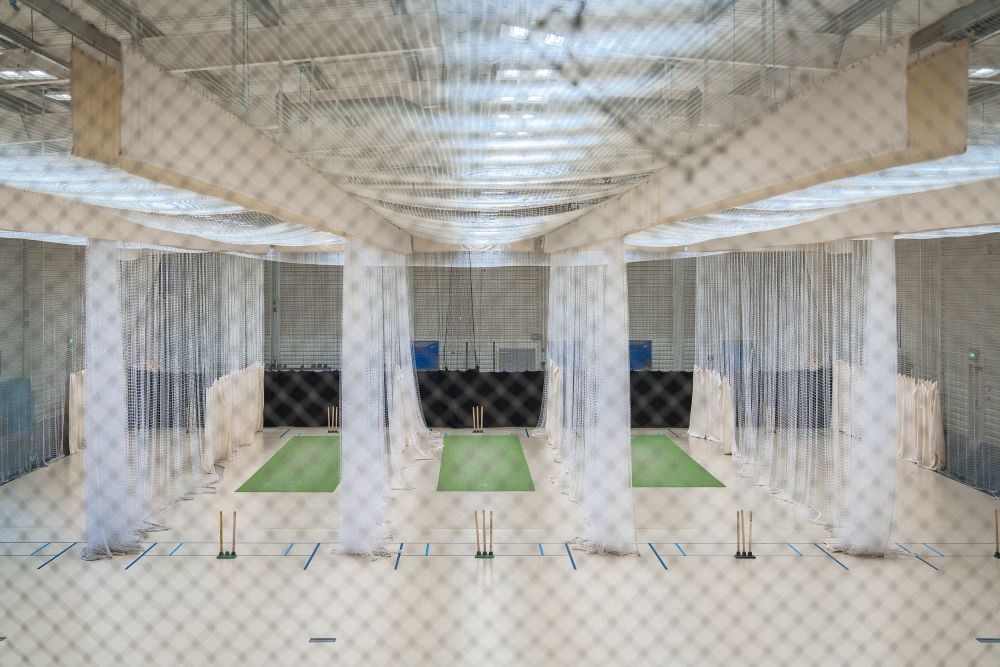
The story is similar across organisations of all sizes. City Cruises, working with Green Economy, cut their annual energy bills by £1,157 simply by upgrading to LED lighting. Lowry arts centre saved £9,000 per year and 30,400 kWh after replacing inefficient lighting with LEDs, while the England and Wales Cricket Board made LEDs a cornerstone of its national environmental strategy, rolling them out across venues to reduce energy demand and demonstrate leadership in sustainability.

1. Audit your current setup
The first step in making the switch is to understand your current lighting setup. Walk through your premises and take stock of every fitting: what type of bulb it uses, how many watts it consumes, and how many hours it typically runs each day. This simple audit provides the baseline against which you can measure improvements. Once you know the scale of your lighting use, it becomes easier to calculate the potential savings.
For example, replacing a 60-watt incandescent bulb with a 9-watt LED could save you dozens of pounds per year per fitting, depending on usage and electricity costs. Multiply that across your entire site, and the impact quickly adds up. If you need support auditing your energy, our consultants are happy to help - just get in touch!
2. Choose the right LED for your space
Choosing the right LED is not just about energy efficiency; it’s also about creating the right environment for your staff and customers. Warm white LEDs (around 2700K) create a welcoming atmosphere, ideal for hospitality or retail spaces, while cooler tones (4000K and above) are better suited to offices where clarity and focus are important. When selecting products, look for certifications such as Energy Star or EU EcoDesign compliance to ensure quality and performance. Our marketplace service can help you find the right suppliers and our Supplier Sourcing service can support you in making the right decision.
3. Plan your installation and financing
Installation can be phased to suit your budget. Start with the areas where lights are used most often — offices, shop floors, kitchens, or storage spaces — and gradually expand. Ideally, pair those LEDs with smart controls or motion sensors to deliver even greater efficiency, ensuring lights are only on when needed. Financing options may also be available; grants and green loans, such as those highlighted in the link, can help spread the cost and accelerate the transition.
4. Dispose of old lighting responsibly
Before installing new LEDs, plan how you'll handle your old lighting. This step is crucial for both compliance and environmental responsibility. Older fluorescent and halogen bulbs often contain hazardous materials like mercury, which cannot be simply thrown in the bin. Here's what you need to do:
These are classified as hazardous waste in most regions and require specialist disposal. Contact your local waste management facility or search for a registered lamp recycling scheme in your area. Organizations like the Waste & Contaminated Land (WCL) directory can help you find approved recycling points. Many of these services are free or low-cost, especially if you're recycling in bulk.
While safer than fluorescents, these still contain materials worth recovering. LEDs, in particular, contain valuable metals and components that can be recycled. Check with your local authority or recycling centres—most now accept these through standard recycling programs or specialist e-waste schemes.
Some LED suppliers and retailers offer take-back programs for old bulbs when you purchase new ones. This simplifies logistics and ensures proper handling. Ask your supplier about this option.
By recycling rather than landfilling, you prevent environmental contamination, recover valuable materials, and often achieve better carbon credentials for your sustainability reporting. It's the final piece that makes your LED transition genuinely circular. Make sure you are dealing with a business that meets WEEE regulations.
5. Engage your team and track progress
Equally important is engaging your staff in the process. Encourage them to be mindful of switching off lights when not in use and share the results of your energy savings. This not only builds awareness but also fosters a culture of sustainability within the workplace.
Finally, track your progress. Monitor how your efficiency improves over time. Documenting these reductions in your Environmental Policy demonstrates accountability and strengthens your reputation with customers and suppliers.
In the long term, LEDs can be integrated into broader sustainability measures, such as smart building systems or renewable electricity supply. By making this change visible and measurable, you show that your business is serious about net zero, while enjoying the immediate benefits of lower costs, reduced waste, and a brighter, more sustainable workspace.

Get impartial end-to-end support when investing in
renewables and energy efficiency technologies.

Get accredited training for your and your teams
to accelerate your sustainability journey
Use our free Carbon Calculator to get an accurate picture of
your organisation's carbon footprint.

Search our Marketplace to find a trusted partner
for your green tech investment.
Share
Written by
