What Does Net Zero Mean for SMEs in the UK?
Read time: 4 minutes
Read time: 4 minutes
practical explanation of what net zero means for small businesses, why it matters, and how SMEs can approach it realistically.
Key Takeaways:
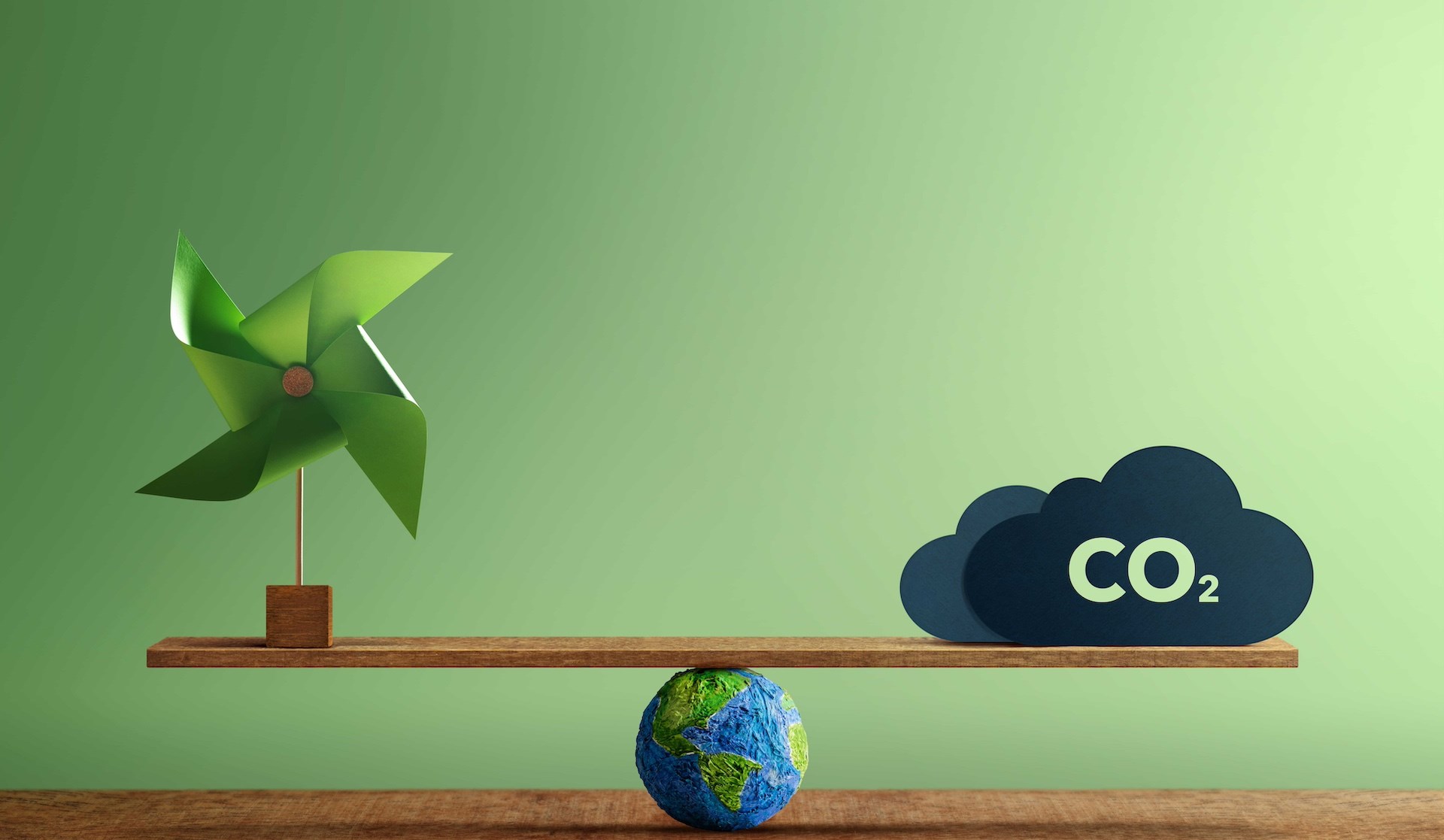
Net zero refers to balancing the greenhouse gases a business produces with the amount removed from the atmosphere. In practice, that means reducing emissions as far as reasonably possible and only offsetting what cannot be eliminated.
For small businesses in the UK, net zero is less about perfection and more about clarity. It starts with understanding where emissions come from, choosing actions that are realistic for the organisation, and being able to explain progress in a straightforward way.
Even where there is no legal requirement, net zero increasingly affects how SMEs operate.
Many larger organisations now expect suppliers and partners to demonstrate environmental responsibility, particularly on longer contracts or frameworks. If an SME cannot evidence progress, it may face more questions during procurement or find itself excluded from opportunities where sustainability is scored.
There is also growing attention from customers, investors and lenders. For some SMEs, sustainability is becoming part of how the business is assessed, not just a brand preference.Is net
At present, most UK SMEs are not legally required to reach net zero or to report emissions in the same way as large companies. However, the UK has a national target to reach net zero by 2050, and expectations are gradually moving through supply chains.
For many SMEs, action is driven by future-proofing rather than compliance. Being unprepared can create friction later, especially if a key customer asks for carbon information or if the business wants to tender for work where sustainability evidence is requested.
Business emissions are often grouped into three broad areas:
For example, a small construction firm may find most emissions come from fuel use and materials, while a professional services business may see energy use, commuting and business travel as the main contributors. A manufacturer might find energy and purchased materials are the biggest drivers.
Understanding what sits in each area helps SMEs focus on the changes that are most likely to reduce emissions.
For SMEs, net zero is not a single project or a one-off decision. It is a structured process.
This usually involves measuring emissions, identifying realistic reduction opportunities, and setting priorities based on impact and feasibility. Offsetting is generally considered a last step, used only after meaningful reductions have been made.
A practical approach might include improving energy efficiency, adjusting processes to reduce waste, reviewing travel policies, or working with suppliers where there are clear opportunities. What matters is that the plan is credible and proportionate to the business.
Small businesses often face specific barriers when addressing net zero.
Limited time, budget constraints and uncertainty about where to start are common. There is also confusion around terminology, data requirements and which actions will actually make a difference. Some SMEs worry about getting it wrong or making claims they cannot evidence.
This is why net zero works best when it is treated as a practical business task, with clear steps and a realistic timeline.
Many SMEs find it helpful to break the process into manageable stages:
This staged approach supports steady progress without overwhelming the business.
It also makes it easier to communicate what is being done and why.
Support around decarbonisation can help SMEs move through these steps with more confidence and clearer direction, particularly where internal time or expertise is limited.
While some actions can be taken internally, many SMEs benefit from external input when dealing with emissions data, planning, or customer reporting expectations.
Independent decarbonisation consultancy can help businesses understand their footprint, focus effort on the measures that genuinely reduce emissions, and avoid common pitfalls such as prioritising low-impact activity or relying on offsets too early.
This is particularly valuable for SMEs working within regulated or sustainability-focused supply chains, or for businesses preparing for tenders where environmental evidence is requested.
Net zero is becoming part of how businesses are assessed, regardless of size. For SMEs, the challenge is not moving too fast or too slowly, but taking informed, proportionate action that fits the reality of the organisation.
A clear plan helps businesses avoid wasted effort, make better decisions, and respond confidently when customers or partners ask sustainability questions.
Green Economy works with SMEs across multiple sectors to help them understand net zero, reduce emissions, and plan for long-term sustainability in a practical way.
For businesses looking to take their next step, exploring Green Economy’s decarbonisation support can provide a clear starting point and a structured path forward, based on what works for SMEs in the real world.
Share
Written by
