Labour unveils historic £30bn nuclear investment to power UK’s net zero future
12 June 2025

12 June 2025
“I’ve made the choices necessary to fix the foundations of our economy,” said Chancellor Rachel Reeves to a packed parliament at lunchtime today. The much-anticipated spending announcements arrived following Reeves’ Spring budget, outlined in March, which placed heavy emphasis on taxation and debt with little to be said for energy and net zero.
Today’s announcements were different, with energy, industry, transport and security taking centre stage.
The announcement placed heavy emphasis on nuclear power.
"This government is investing in the biggest rollout of nuclear power for half a century, a £30bn commitment to our nuclear-powered future," the chancellor says, gesturing to yesterday's £14bn investment in the Sizewell C nuclear plant.
“Energy security is national security,” the chancellor adds. “Which is why we’re allocating £14 billion for Sizewell C,” a project which is expected to generate 10,000 more jobs, producing 3.2 GW of electricity which could power up to six million homes over the next 60 years.
In another bid to improve energy security, over £2.5 billion is being funnelled into a small modular reactor programme in partnership with Rolls Royce. There will be £2.5 billion investment for nuclear fusion projects, and further investment into making nuclear approved land available for private investment.
Nuclear wasn’t the only future energy tech commanding today’s conversation. Carbon capture and storage (CCS) had its moment too.
CCS investment for the Acorn Project in St Fergus, Aberdeenshire, was announced by the chancellor. The project aims to capture greenhouse gas emissions and store them under the North Sea. This investment is being made in recognition of a “decarbonised future” for the UK.
Finally, the chancellor’s budget placed emphasis on skills, research and development.
£1.2 billion per year by the end of the spending review will be made available for “young people’s training and apprenticeships.” A further £2 billion funding has also been set aside for the government’s AI Action Plan, and research and development funding will reach a record high of £22 billion by the end of 2029.
These plans align with the government’s ambition to create a technologically advanced, highly skilled workforce ready for the next industrial revolution, one which will focus on energy security, technology, and new skills.
However, the spending plans were announced to criticism, notably from shadow chancellor Mel Stride who warns of significant tax increases in the Autumn Budget ahead to support Labour’s “spend now, tax later” approach.
Green Intelligence - straight to your inbox

12 February 2026
In partnership with delivery partners Nesta and MCS, the project is designed to help newly trained heat pump installers in Greater Manchester and West Yorkshire become active, confident and competent members of the heat pump sector.
21 January 2026
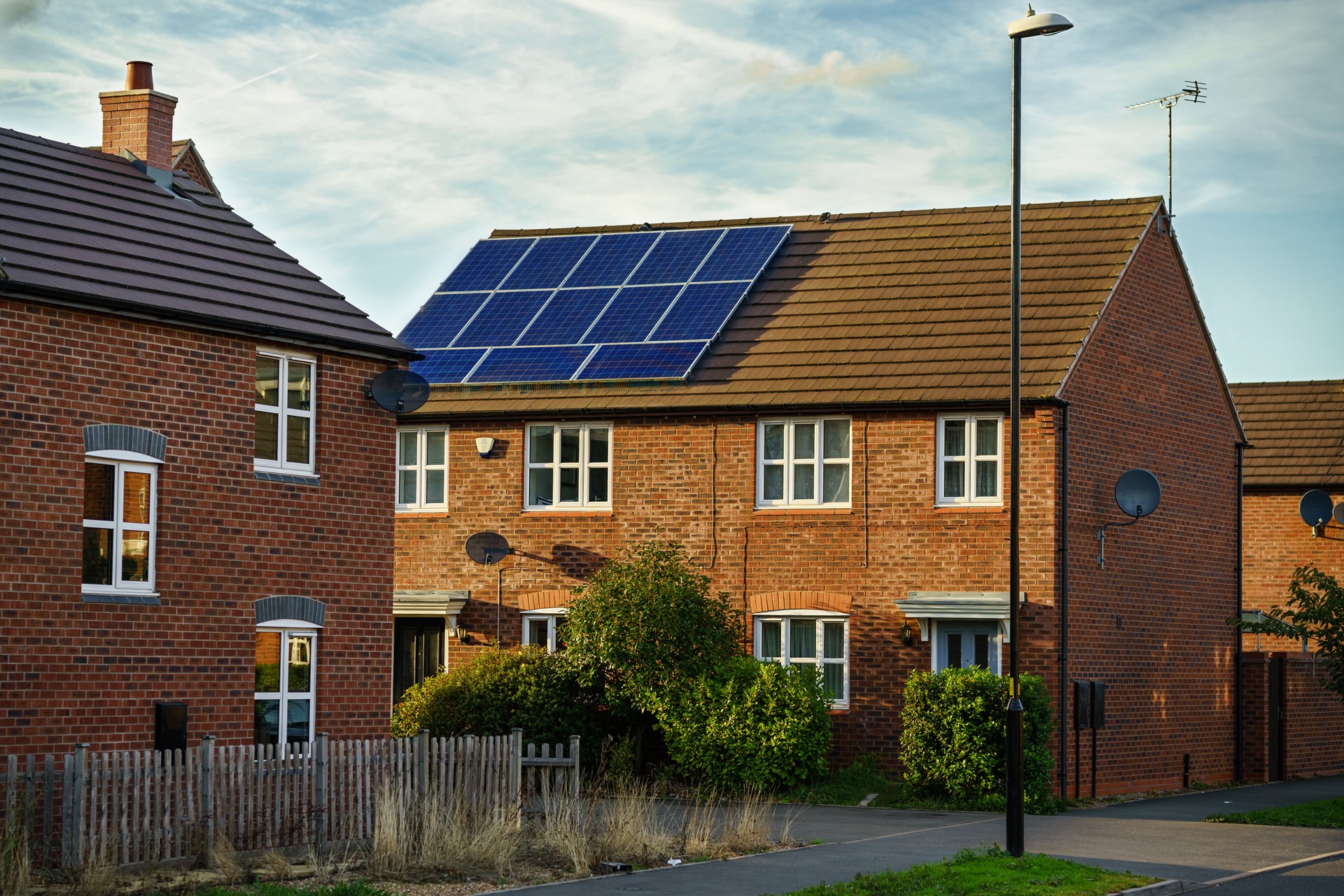
The UK Government has unveiled their new Warm Homes Plan, providing funding for households across the UK to encourage investment in solar PV, battery storage and heat pump technologies.

08 October 2025
Green Economy engaged with 5804 businesses in the 2024-2025 financial period, reaching over 20 million people through communications and business activities. Read our full Impact Report here!
Share