What does the Autumn Budget mean for the green sector?
23 November 2023
23 November 2023
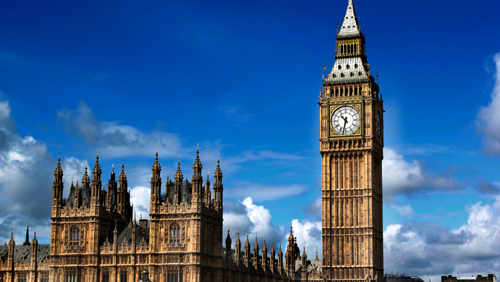
Chancellor Jeremy Hunt announced his Autumn Budget to the House on 22 November 2023. Here are some of the key takeaways for business and the green sector.
Hunt began his statement to the House on 22 November 2023 by reiterating the three economic goals of Sunak’s five total goals for 2023: halve inflation, cut debt, and grow the economy. Hunt proudly announced that the UK Government are delivering on all three of their economic goals
Inflation reached 4.6 per cent in October 2023, down from 6.7 per cent in the previous two months and a brutal peak of 11.1 per cent between September 2022 and March 2023. During this period inflation has halved, although falling global energy prices have contributed significantly to this.
In terms of debt, the OBR forecasts that debt costs will reach £116.2bn this year (2023 – 2024), £22bn higher than the March forecast. Headline debt is expected to be 94 per cent of GDP by the end of the five-year forecast period, increasing over the next three years before declining in the final two. Finally, the OBR anticipates the economy will grow 0.6 per cent this year and 0.7 per cent next year.
£4.5bn of support up until 2030 has been set aside to attract investment into strategic manufacturing sectors. This includes £2bn earmarked for low emission automotives, £975m for aerospace, £5209m for life sciences, and a £960m Green Growth Accelerator focussed on a range of green technologies, including wind, nuclear, solar, hydrogen, carbon capture and storage, and more.
As for the capital spending tax relief, companies will get £250,000 off their tax bill for every £1m worth of capital spending, with renewables and other green technologies eligible for the scheme
In terms of education, £50m of funding has been allocated to increase apprentices in engineering and other key growth areas.
Furthermore, the government is introducing a six-year Climate Change Agreement scheme meaning participants who meet their agreed energy efficiency or decarbonisation targets between 2025 and 2030 will be entitled to reduced rates of Climate Change Levy from 1 July 2027 to 31 March 2033.
Another interesting component of the budget was Hunt’s announcement that households could be offered up to £1,00 per annum off their energy bill if they agree to host infrastructure projects. This could mean greater opportunity for connectivity as the policy is designed to cut grid access delays for new energy projects.
Amy House, Director of Green Economy said:
The agreed investment into key green industries, including clean energy and low emission vehicles, demonstrates that this government recognises the green sector as an integral part of our economy capable of driving growth and innovation.
12 February 2026
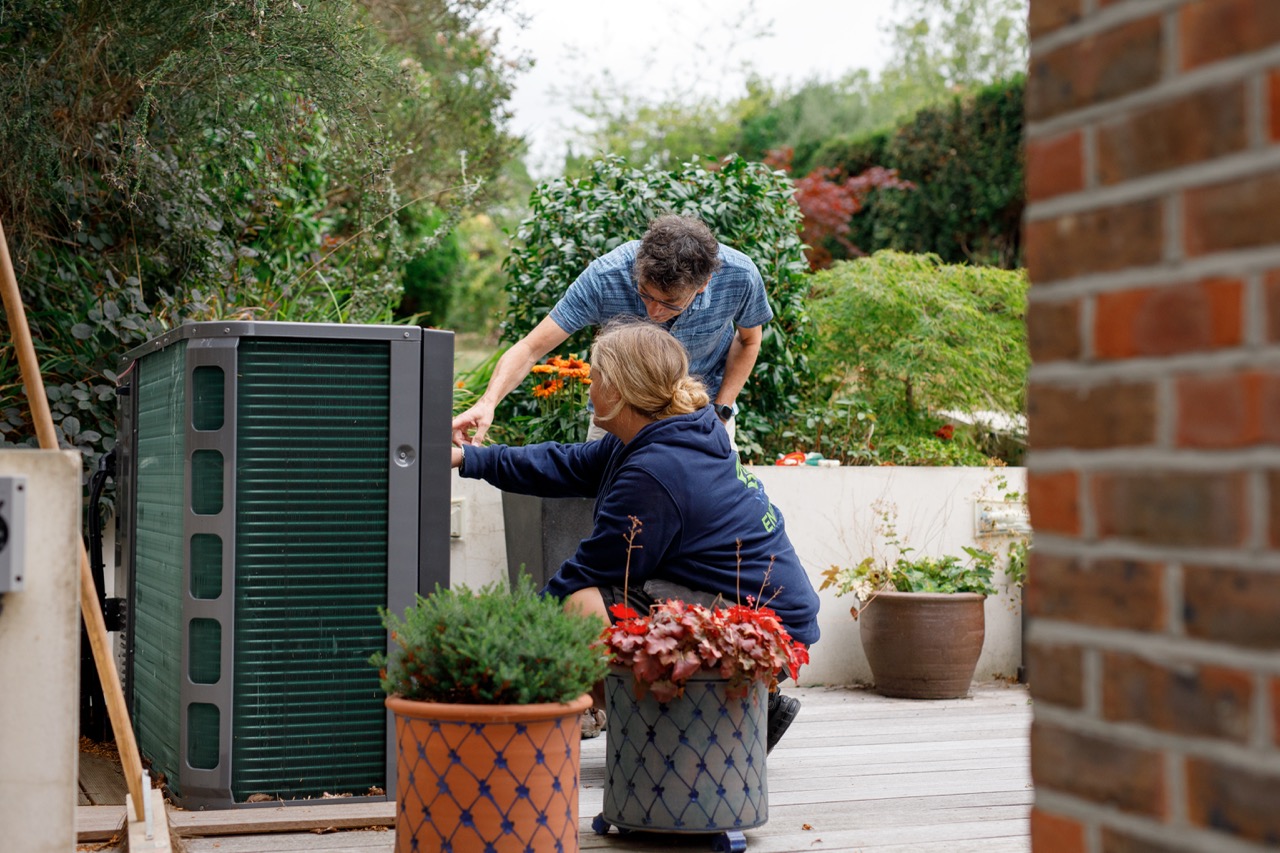
In partnership with delivery partners Nesta and MCS, the project is designed to help newly trained heat pump installers in Greater Manchester and West Yorkshire become active, confident and competent members of the heat pump sector.
21 January 2026
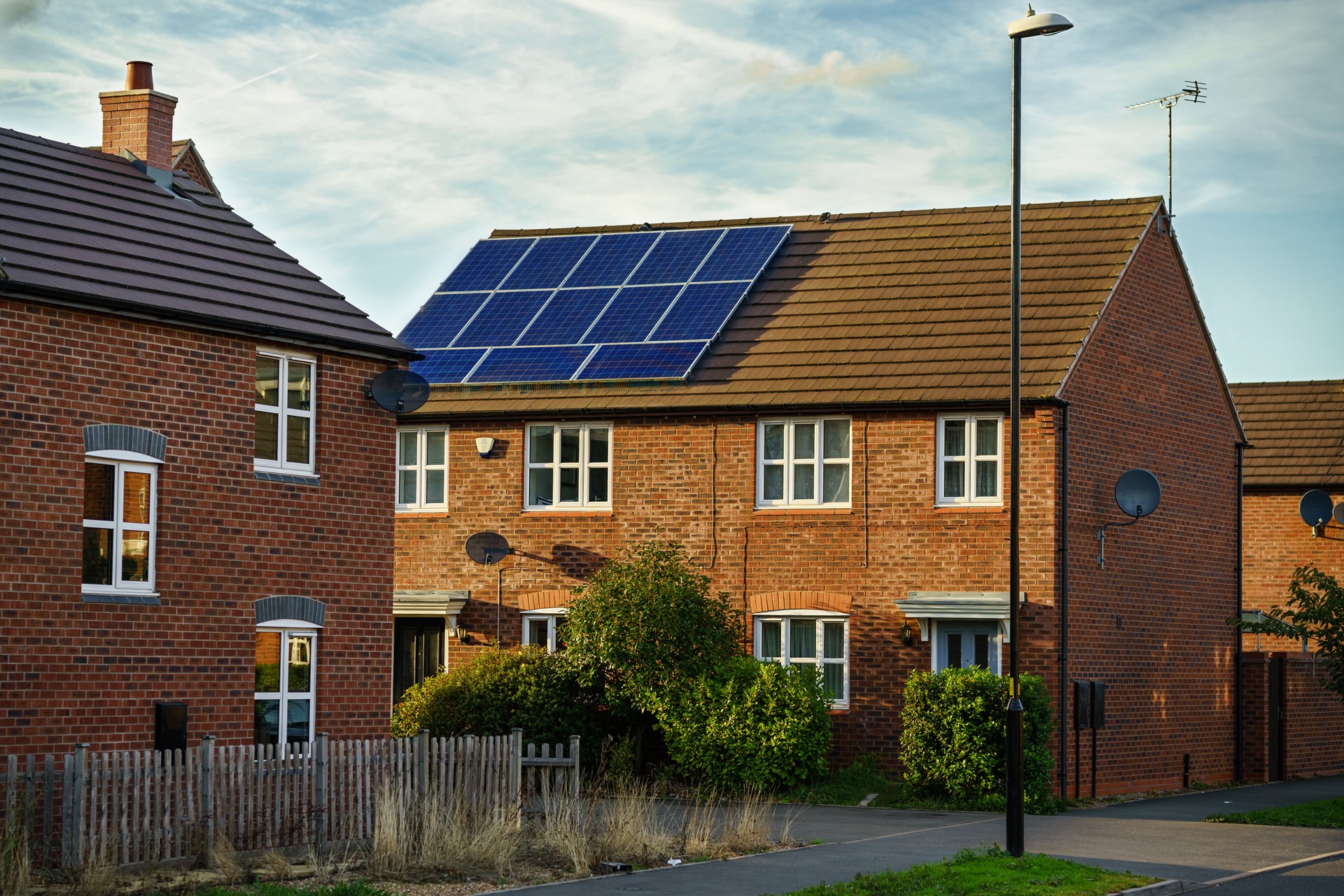
The UK Government has unveiled their new Warm Homes Plan, providing funding for households across the UK to encourage investment in solar PV, battery storage and heat pump technologies.
08 October 2025
Green Economy engaged with 5804 businesses in the 2024-2025 financial period, reaching over 20 million people through communications and business activities. Read our full Impact Report here!
Share